
Contents
- 🌟 Introduction to Bleeding
- 💉 Understanding Hemorrhage
- 👨⚕️ The Importance of Hemostasis
- 💔 Hypovolemia and Its Consequences
- 🚑 First Aid for Bleeding
- 🏥 Surgical Management of Bleeding
- 📊 Measuring Blood Loss
- 💡 Controlling Bleeding
- 👩🔬 The Role of Blood Vessels
- 🔬 Exsanguination: A Life-Threatening Condition
- 🤝 Managing Bleeding in Emergency Situations
- 📚 Conclusion and Future Directions
- Frequently Asked Questions
- Related Topics
Overview
Bleeding, or hemorrhage, is a complex and multifaceted phenomenon that has been a subject of human fascination and fear for centuries. With a vibe score of 8, bleeding has been a major contributor to morbidity and mortality worldwide, accounting for over 2.5 million deaths annually, according to the World Health Organization (2019). The economic burden of bleeding is also substantial, with estimated costs exceeding $100 billion in the United States alone (Journal of Thrombosis and Haemostasis, 2020). Despite significant advances in medical technology and treatment options, bleeding remains a major challenge in clinical practice, with debates surrounding the optimal management of bleeding disorders, such as hemophilia, and the use of anticoagulant therapies. The influence of bleeding on art, literature, and popular culture is also noteworthy, with examples ranging from Shakespeare's Macbeth to modern horror movies. As research continues to unravel the intricacies of bleeding, it is likely that our understanding of this phenomenon will continue to evolve, with potential breakthroughs in fields such as regenerative medicine and personalized healthcare.
🌟 Introduction to Bleeding
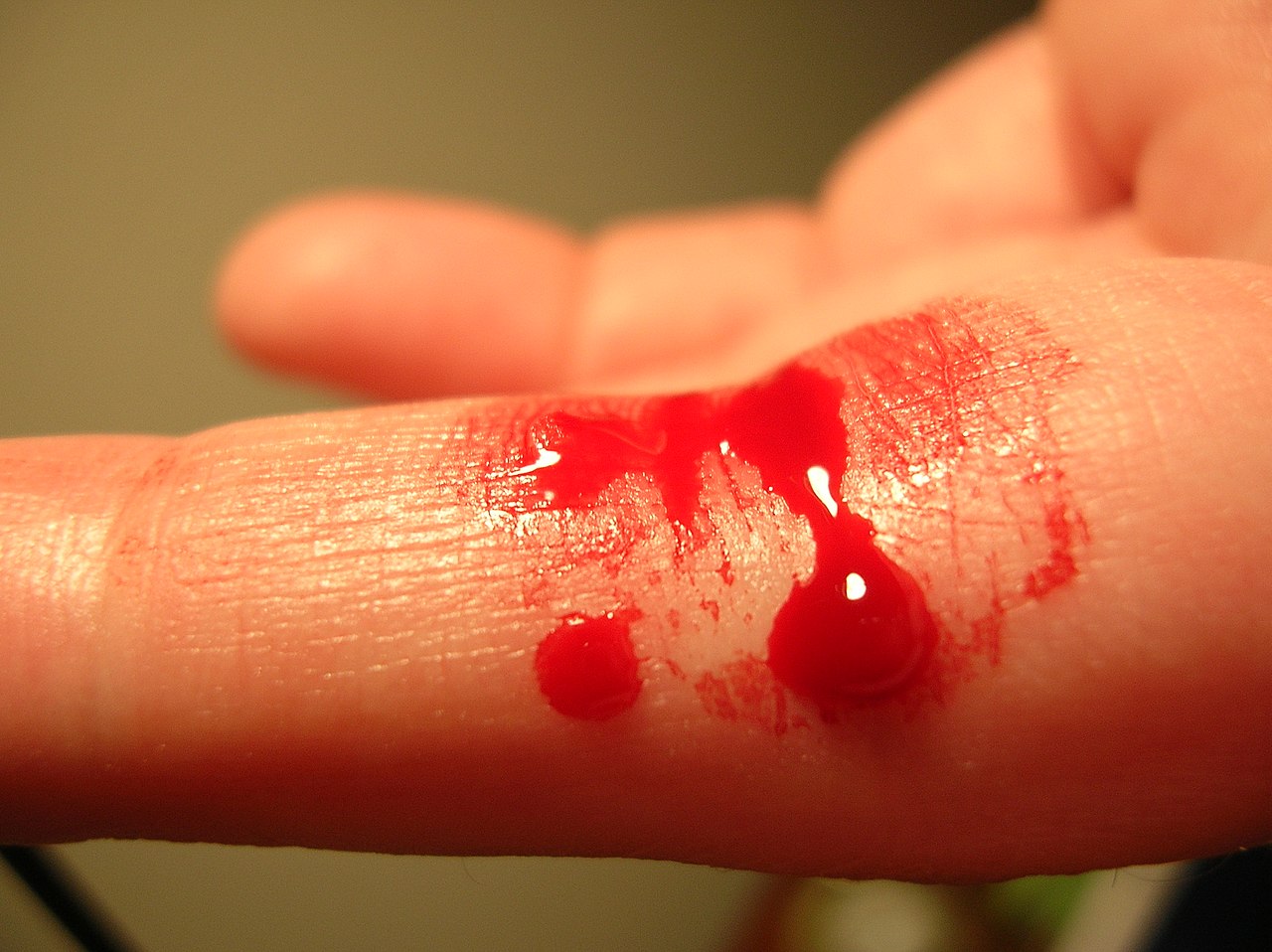
Bleeding, also known as hemorrhage or blood loss, is a serious medical condition that occurs when blood escapes from the circulatory system due to damaged blood vessels. This can happen internally or externally, and it's essential to understand the causes and consequences of bleeding to provide proper treatment. According to the Hemostasis process, the body has a natural mechanism to stop bleeding, but sometimes it needs medical intervention. The Blood Vessels play a crucial role in maintaining blood circulation, and any damage to them can lead to bleeding. For instance, a person with a Hemophilia condition is more prone to bleeding due to the lack of clotting factors in their blood.
💉 Understanding Hemorrhage
Hemorrhage or bleeding can occur through natural openings such as the mouth, nose, ear, urethra, vagina, or anus, or through a puncture in the skin. It's vital to recognize the signs of bleeding, such as Hypotension (low blood pressure), Tachycardia (rapid heart rate), and Pallor (pale skin). The American Heart Association recommends applying pressure to the wound and elevating the affected limb to reduce blood flow. In cases of severe bleeding, it's essential to call emergency services and provide First Aid until medical help arrives. The Emergency Medical Technician plays a critical role in providing immediate care and transportation to a medical facility.
👨⚕️ The Importance of Hemostasis
Hemostasis is the process of stopping or controlling bleeding, and it's a critical aspect of both first aid and surgery. The body has a natural hemostatic mechanism, but sometimes it needs assistance to prevent excessive blood loss. The Hemostatic Agents such as clotting factors, fibrin glue, and topical hemostats can be used to promote hemostasis. In surgical procedures, Surgical Hemostasis is crucial to prevent bleeding and ensure a successful outcome. The Society of Cardiovascular Anesthesiologists provides guidelines for anesthesiologists to manage bleeding during surgical procedures. Additionally, the American Society of Anesthesiologists recommends the use of Transesophageal Echocardiography to monitor cardiac function during surgery.
💔 Hypovolemia and Its Consequences
Hypovolemia is a condition characterized by a massive decrease in blood volume, which can lead to shock, organ failure, and even death. It's essential to recognize the signs of hypovolemia, such as Oliguria (decreased urine output), Thirst, and Fatigue. The World Health Organization recommends the use of Crystalloids and Colloids to treat hypovolemia. In cases of severe blood loss, it's crucial to provide Blood Transfusion to restore blood volume and prevent organ damage. The American Red Cross provides guidelines for blood transfusion and donor eligibility. Furthermore, the National Institutes of Health conducts research on Blood Disorders to improve treatment options.
🚑 First Aid for Bleeding
First aid for bleeding involves applying pressure to the wound, elevating the affected limb, and providing emotional support to the patient. It's essential to recognize the signs of bleeding, such as Dizziness, Nausea, and Vomiting. The American Red Cross recommends using a Tourniquet only in extreme cases of bleeding, as it can cause further damage to the affected limb. In cases of internal bleeding, it's crucial to call emergency services and provide Cardiopulmonary Resuscitation until medical help arrives. The European Resuscitation Council provides guidelines for cardiopulmonary resuscitation and emergency cardiac care.
🏥 Surgical Management of Bleeding
Surgical management of bleeding involves a range of techniques, from simple suturing to complex surgical procedures. The Society of Cardiovascular Surgeons recommends the use of Surgical Staplers and Surgical Clips to control bleeding during surgical procedures. In cases of severe bleeding, it's essential to provide Blood Transfusion to restore blood volume and prevent organ damage. The American Society of Anesthesiologists recommends the use of Transesophageal Echocardiography to monitor cardiac function during surgery. Additionally, the Society for Vascular Surgery provides guidelines for vascular surgery and management of bleeding.
📊 Measuring Blood Loss
Measuring blood loss is crucial to determine the severity of bleeding and provide appropriate treatment. The World Health Organization recommends using the Classification of Blood Loss to categorize bleeding into four classes, from minimal to severe. The American College of Surgeons recommends using the Shock Index to assess the severity of bleeding and provide appropriate treatment. In cases of severe bleeding, it's essential to provide Blood Transfusion to restore blood volume and prevent organ damage. The National Institutes of Health conducts research on Blood Disorders to improve treatment options.
💡 Controlling Bleeding
Controlling bleeding is essential to prevent excessive blood loss and promote healing. The Hemostatic Agents such as clotting factors, fibrin glue, and topical hemostats can be used to promote hemostasis. The Society of Cardiovascular Anesthesiologists recommends the use of Transesophageal Echocardiography to monitor cardiac function during surgery. In cases of severe bleeding, it's crucial to provide Blood Transfusion to restore blood volume and prevent organ damage. The American Society of Anesthesiologists provides guidelines for anesthesiologists to manage bleeding during surgical procedures.
👩🔬 The Role of Blood Vessels
The blood vessels play a crucial role in maintaining blood circulation, and any damage to them can lead to bleeding. The Blood Vessel wall is composed of three layers: the intima, media, and adventitia. The Endothelium is the innermost layer of the blood vessel wall and plays a critical role in maintaining blood flow and preventing bleeding. The American Heart Association recommends a healthy lifestyle, including a balanced diet and regular exercise, to maintain healthy blood vessels. Additionally, the National Institutes of Health conducts research on Vascular Diseases to improve treatment options.
🔬 Exsanguination: A Life-Threatening Condition
Exsanguination is a life-threatening condition that occurs when there is excessive blood loss, leading to shock, organ failure, and death. The World Health Organization recommends immediate medical attention in cases of exsanguination. The American College of Surgeons recommends the use of Damage Control Surgery to control bleeding and prevent organ damage. In cases of severe bleeding, it's essential to provide Blood Transfusion to restore blood volume and prevent organ damage. The Society of Critical Care Medicine provides guidelines for critical care and management of bleeding.
🤝 Managing Bleeding in Emergency Situations
Managing bleeding in emergency situations requires prompt and effective treatment. The American Heart Association recommends calling emergency services and providing Cardiopulmonary Resuscitation until medical help arrives. The European Resuscitation Council provides guidelines for cardiopulmonary resuscitation and emergency cardiac care. In cases of severe bleeding, it's essential to provide Blood Transfusion to restore blood volume and prevent organ damage. The National Institutes of Health conducts research on Blood Disorders to improve treatment options.
📚 Conclusion and Future Directions
In conclusion, bleeding is a serious medical condition that requires prompt and effective treatment. The Hemostasis process is crucial to stop bleeding, and it's essential to recognize the signs of bleeding, such as Hypotension and Tachycardia. The American Heart Association recommends a healthy lifestyle, including a balanced diet and regular exercise, to maintain healthy blood vessels. Additionally, the National Institutes of Health conducts research on Blood Disorders to improve treatment options. Future research should focus on developing new treatments and technologies to manage bleeding and improve patient outcomes.
Key Facts
- Year
- 2022
- Origin
- Ancient Civilizations
- Category
- Health and Medicine
- Type
- Medical Condition
Frequently Asked Questions
What is bleeding?
Bleeding, also known as hemorrhage or blood loss, is a serious medical condition that occurs when blood escapes from the circulatory system due to damaged blood vessels. It can happen internally or externally, and it's essential to understand the causes and consequences of bleeding to provide proper treatment. According to the Hemostasis process, the body has a natural mechanism to stop bleeding, but sometimes it needs medical intervention. The Blood Vessels play a crucial role in maintaining blood circulation, and any damage to them can lead to bleeding.
What are the signs of bleeding?
The signs of bleeding include Hypotension (low blood pressure), Tachycardia (rapid heart rate), and Pallor (pale skin). In cases of internal bleeding, it's crucial to recognize the signs of Hypovolemia, such as Oliguria (decreased urine output), Thirst, and Fatigue. The American Heart Association recommends calling emergency services and providing Cardiopulmonary Resuscitation until medical help arrives.
How is bleeding treated?
Bleeding is treated by applying pressure to the wound, elevating the affected limb, and providing emotional support to the patient. In cases of severe bleeding, it's essential to provide Blood Transfusion to restore blood volume and prevent organ damage. The American Society of Anesthesiologists recommends the use of Transesophageal Echocardiography to monitor cardiac function during surgery. Additionally, the Society for Vascular Surgery provides guidelines for vascular surgery and management of bleeding.
What is hemostasis?
Hemostasis is the process of stopping or controlling bleeding, and it's a critical aspect of both first aid and surgery. The body has a natural hemostatic mechanism, but sometimes it needs assistance to prevent excessive blood loss. The Hemostatic Agents such as clotting factors, fibrin glue, and topical hemostats can be used to promote hemostasis. The Society of Cardiovascular Anesthesiologists recommends the use of Transesophageal Echocardiography to monitor cardiac function during surgery.
What is exsanguination?
Exsanguination is a life-threatening condition that occurs when there is excessive blood loss, leading to shock, organ failure, and death. The World Health Organization recommends immediate medical attention in cases of exsanguination. The American College of Surgeons recommends the use of Damage Control Surgery to control bleeding and prevent organ damage. In cases of severe bleeding, it's essential to provide Blood Transfusion to restore blood volume and prevent organ damage.
How can bleeding be prevented?
Bleeding can be prevented by maintaining healthy blood vessels, avoiding injuries, and managing underlying medical conditions. The American Heart Association recommends a healthy lifestyle, including a balanced diet and regular exercise, to maintain healthy blood vessels. Additionally, the National Institutes of Health conducts research on Blood Disorders to improve treatment options. Future research should focus on developing new treatments and technologies to manage bleeding and improve patient outcomes.
What is the role of blood vessels in bleeding?
The blood vessels play a crucial role in maintaining blood circulation, and any damage to them can lead to bleeding. The Blood Vessel wall is composed of three layers: the intima, media, and adventitia. The Endothelium is the innermost layer of the blood vessel wall and plays a critical role in maintaining blood flow and preventing bleeding. The American Heart Association recommends a healthy lifestyle, including a balanced diet and regular exercise, to maintain healthy blood vessels.