
Contents
Overview
In Los Angeles, expectant mothers have access to various birth support services, including those provided by baby doulas. These professionals offer emotional and physical support during pregnancy, childbirth, and postpartum care. General anesthesia is a medically induced coma with loss of protective reflexes, resulting from the administration of one or more general anaesthetic agents. The use of general anesthesia can provide relief from pain and discomfort during childbirth. With the support of baby doulas, expectant mothers in Los Angeles can make informed decisions about their birth plan. The city is home to numerous hospitals and medical facilities, including Cedars-Sinai Medical Center and UCLA Medical Center, which offer a range of birth support services, including anesthesia care. Additionally, organizations such as LA County Department of Public Health and American College of Nurse-Midwives provide resources and support for new families in the LA area.
Origins & History
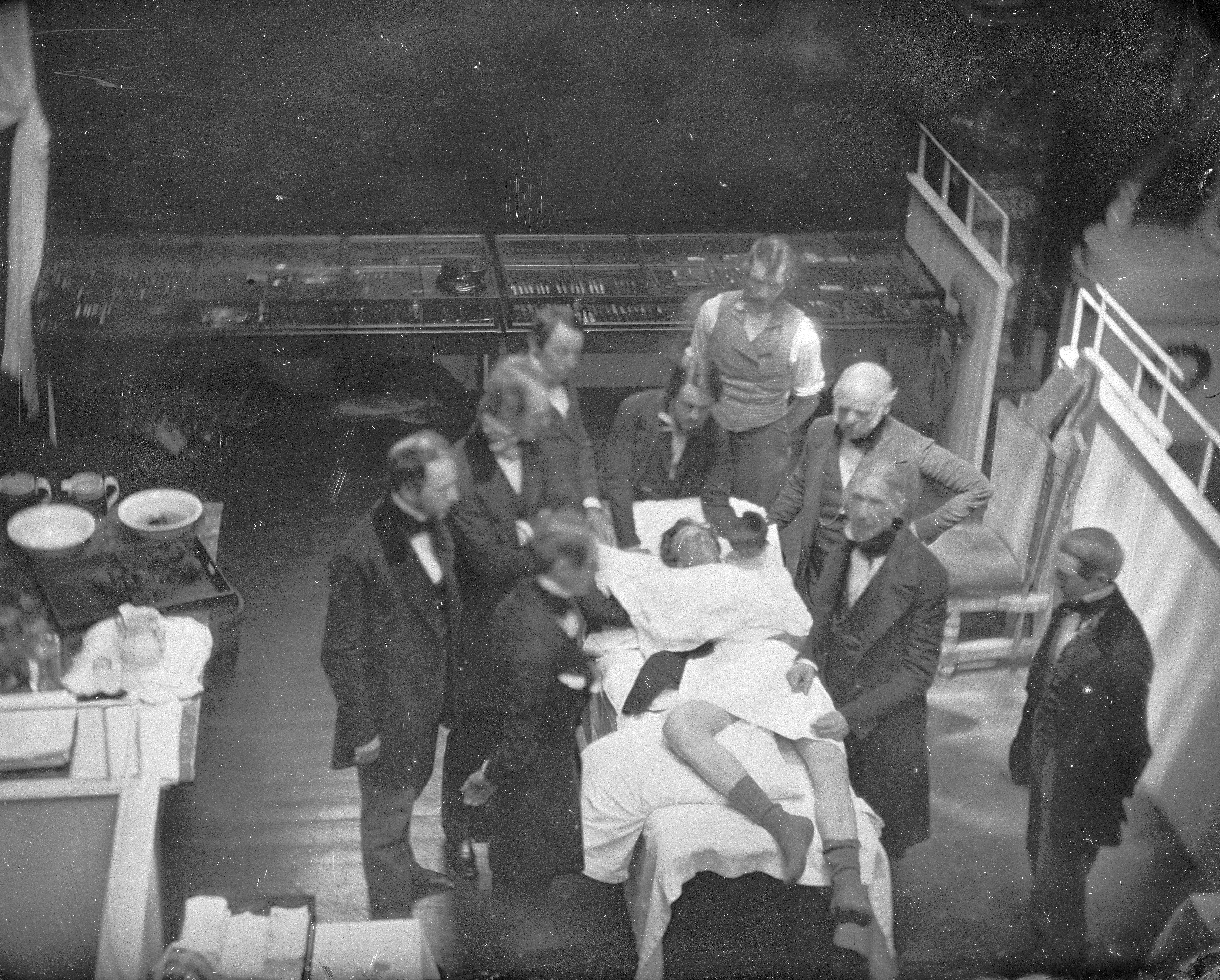
The history of general anesthesia is complex, and its evolution has led to its current applications in childbirth. With the support of baby doulas, expectant mothers in Los Angeles can navigate the complexities of childbirth and make informed decisions about their birth plan.
How It Works
General anesthesia works by inducing a state of unconsciousness, which allows medical professionals to perform surgical procedures without causing pain or discomfort to the patient. In the context of childbirth, general anesthesia can be used to facilitate a cesarean section or other surgical interventions.
Key Facts & Numbers
The American Society of Anesthesiologists has developed guidelines for the use of general anesthesia in childbirth. The American College of Obstetricians and Gynecologists provides guidance and support for medical professionals and expectant mothers.
Key People & Organizations
Key people and organizations involved in the use of general anesthesia in childbirth include the American Society of Anesthesiologists and the American College of Obstetricians and Gynecologists. These organizations play a critical role in shaping the use of general anesthesia in childbirth.
Cultural Impact & Influence
The cultural impact and influence of general anesthesia in childbirth are significant, with its use reflecting societal attitudes towards pain and childbirth. In many cultures, childbirth is seen as a natural process, and the use of general anesthesia is viewed as unnecessary or even undesirable.
Current State & Latest Developments
The current state of general anesthesia in childbirth is one of ongoing debate and controversy, with some arguing that its use is necessary and desirable, while others argue that it is unnecessary. Recent developments, such as the increased use of regional anesthesia, have improved the safety and efficacy of general anesthesia in childbirth.
Controversies & Debates
Controversies and debates surrounding general anesthesia in childbirth include concerns about its safety and efficacy. Some argue that general anesthesia is necessary and desirable, particularly in cases where vaginal delivery is not possible or poses a risk to the mother or baby.
Future Outlook & Predictions
The future outlook for general anesthesia in childbirth is one of ongoing development and improvement, with new anesthetic agents and techniques being developed to improve its safety and efficacy. The increased use of regional anesthesia is likely to reduce the need for general anesthesia in childbirth.
Practical Applications
Practical applications of general anesthesia in childbirth include its use in cesarean sections and other surgical interventions. General anesthesia can be used to facilitate pain management during childbirth.
Key Facts
- Category
- birth-support
- Type
- topic