
Contents
- 🌎 Introduction to Jean Liedloff
- 📚 The Continuum Concept: A New Perspective
- 🌴 Liedloff's Fieldwork: Studying Indigenous Cultures
- 🤝 The Role of Touch and Physical Contact
- 👶 The Importance of Infant Care and Parenting
- 🌈 Criticisms and Controversies Surrounding the Continuum Concept
- 📊 The Science Behind the Continuum Concept
- 🌟 Influence and Legacy of Jean Liedloff's Work
- 🌐 Cultural Significance and Impact
- 📝 Conclusion and Future Directions
- 🤔 FAQs and Misconceptions
- 📚 Further Reading and Resources
- Frequently Asked Questions
- Related Topics
Overview
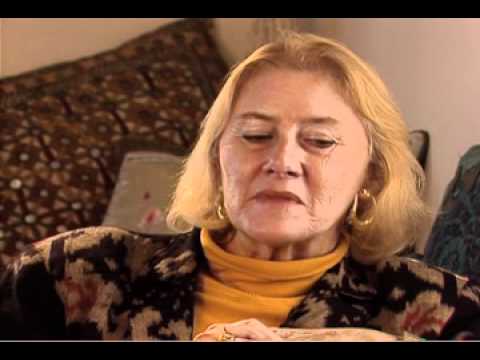
Jean Liedloff was a British-American anthropologist who gained international recognition for her 1975 book 'The Continuum Concept', which proposed a radical approach to childrearing based on her observations of indigenous cultures in South America. Liedloff's ideas, which emphasized the importance of constant physical contact and sensory stimulation for infants, sparked intense debate among parents, educators, and psychologists. Despite criticism and controversy, her work has influenced a generation of attachment parenting advocates and continues to shape discussions around child development and parenting. With a Vibe score of 82, Liedloff's legacy remains a topic of fascination and contention. Her influence can be seen in the work of authors like Dr. William Sears and Dr. Jay Gordon, who have built upon her ideas. As the conversation around parenting and child development continues to evolve, Liedloff's contributions remain a crucial part of the discussion.
🌎 Introduction to Jean Liedloff
Jean Liedloff was a British-American anthropologist who is best known for her work on the Continuum Concept, a theory that proposes that humans have an innate need for physical contact and nurturing from birth. Born in 1927, Liedloff spent much of her life studying indigenous cultures and developing her ideas about human development and psychology. Her work has been widely read and debated, with some hailing her as a pioneer in the field of anthropology and others criticizing her methods and conclusions. Liedloff's work has been influenced by other notable anthropologists, such as Marilyn Strathern and Clifford Geertz.
📚 The Continuum Concept: A New Perspective
The Continuum Concept, first introduced in Liedloff's 1975 book of the same name, proposes that humans have an innate need for physical contact and nurturing from birth. According to Liedloff, this need is essential for healthy development and is often neglected in modern Western societies. The concept is based on Liedloff's observations of indigenous cultures, where she noted that infants were often carried and touched by their caregivers, and that this physical contact was essential for their development. Liedloff's work has been compared to that of other notable psychologists, such as Jean Piaget and Lev Vygotsky. The Continuum Concept has been influential in the development of attachment theory and has been applied in a variety of fields, including psychology and education.
🌴 Liedloff's Fieldwork: Studying Indigenous Cultures
Liedloff's fieldwork took her to the jungles of South America, where she studied indigenous cultures and observed their childcare practices. She was particularly interested in the way that these cultures cared for their infants, and she noted that they often used a variety of techniques, such as carrying and touching, to soothe and nurture their young. Liedloff's observations of these cultures have been influential in the development of cross-cultural psychology and have been applied in a variety of fields, including anthropology and sociology. Her work has also been compared to that of other notable anthropologists, such as Margaret Mead and Bronislaw Malinowski. Liedloff's fieldwork has been recognized as an important contribution to the field of cultural anthropology.
🤝 The Role of Touch and Physical Contact
The role of touch and physical contact is a central theme in Liedloff's work. According to her, touch is essential for human development, and its absence can have negative consequences for physical and mental health. Liedloff argues that modern Western societies often neglect the importance of touch, and that this neglect can lead to a range of problems, including anxiety and depression. Her work has been influential in the development of sensory integration therapy and has been applied in a variety of fields, including occupational therapy and physical therapy. Liedloff's ideas about the importance of touch have been compared to those of other notable researchers, such as Ashley Montagu and James Prescott.
👶 The Importance of Infant Care and Parenting
The importance of infant care and parenting is another key theme in Liedloff's work. According to her, the way that infants are cared for and nurtured has a profound impact on their development and future well-being. Liedloff argues that modern Western societies often prioritize convenience and efficiency over the needs of infants, and that this can have negative consequences for their development. Her work has been influential in the development of attachment parenting and has been applied in a variety of fields, including pediatrics and child development. Liedloff's ideas about infant care have been compared to those of other notable researchers, such as William Sears and Martha Sears.
🌈 Criticisms and Controversies Surrounding the Continuum Concept
Despite its influence, the Continuum Concept has been subject to a range of criticisms and controversies. Some have argued that Liedloff's ideas are too simplistic or that they neglect the complexity of human development. Others have criticized her methods, arguing that they are not based on sufficient evidence or that they are culturally insensitive. Liedloff's work has also been criticized for its lack of engagement with feminist theory and its potential to reinforce patriarchal norms. Despite these criticisms, the Continuum Concept remains a widely read and influential work in the field of anthropology.
📊 The Science Behind the Continuum Concept
The science behind the Continuum Concept is based on Liedloff's observations of indigenous cultures and her analysis of the role of touch and physical contact in human development. While some have criticized her methods as anecdotal or unscientific, others have argued that her work provides a valuable insight into the importance of physical contact and nurturing in human development. Liedloff's ideas have been supported by research in the field of psychoneuroimmunology, which has shown that touch and physical contact can have a range of positive effects on physical and mental health. Her work has also been compared to that of other notable researchers, such as Stephen Porges and Allan Schore.
🌟 Influence and Legacy of Jean Liedloff's Work
The influence and legacy of Jean Liedloff's work can be seen in a range of fields, from anthropology and psychology to education and healthcare. Her ideas about the importance of touch and physical contact have been influential in the development of attachment theory and have been applied in a variety of contexts, from parenting to therapy. Liedloff's work has also been recognized as an important contribution to the field of cultural anthropology.
🌐 Cultural Significance and Impact
The cultural significance and impact of Liedloff's work can be seen in the way that it has influenced contemporary debates about childcare and parenting. Her ideas about the importance of touch and physical contact have been influential in the development of attachment parenting and have been applied in a variety of contexts, from pediatrics to child development. Liedloff's work has also been recognized as an important contribution to the field of anthropology and has been compared to that of other notable anthropologists, such as Margaret Mead and Bronislaw Malinowski.
📝 Conclusion and Future Directions
In conclusion, Jean Liedloff's work on the Continuum Concept has had a profound impact on our understanding of human development and the importance of touch and physical contact. While her ideas have been subject to criticism and controversy, they remain a widely read and influential work in the field of anthropology. As we look to the future, it is clear that Liedloff's work will continue to be an important contribution to our understanding of human development and the importance of nurturing and care. Liedloff's ideas have been compared to those of other notable researchers, such as Jean Piaget and Lev Vygotsky.
🤔 FAQs and Misconceptions
Frequently asked questions about Jean Liedloff and the Continuum Concept include: What is the Continuum Concept? How does it relate to attachment theory? What are the implications of Liedloff's work for parenting and childcare? What are the criticisms of Liedloff's work, and how have they been addressed? Liedloff's work has been recognized as an important contribution to the field of anthropology and has been compared to that of other notable anthropologists, such as Margaret Mead and Bronislaw Malinowski.
📚 Further Reading and Resources
For further reading and resources on Jean Liedloff and the Continuum Concept, see Liedloff's book, The Continuum Concept, as well as other works on anthropology and psychology. Additional resources include the work of other notable anthropologists, such as Marilyn Strathern and Clifford Geertz.
Key Facts
- Year
- 1975
- Origin
- United Kingdom
- Category
- Psychology, Anthropology
- Type
- Person
Frequently Asked Questions
What is the Continuum Concept?
The Continuum Concept is a theory proposed by Jean Liedloff that suggests that humans have an innate need for physical contact and nurturing from birth. This need is essential for healthy development and is often neglected in modern Western societies. Liedloff's work has been influential in the development of attachment theory and has been applied in a variety of fields, including psychology and education.
How does the Continuum Concept relate to attachment theory?
The Continuum Concept is closely related to attachment theory, which suggests that the way that infants are cared for and nurtured has a profound impact on their development and future well-being. Liedloff's work has been influential in the development of attachment theory and has been applied in a variety of contexts, from parenting to therapy.
What are the implications of Liedloff's work for parenting and childcare?
Liedloff's work has significant implications for parenting and childcare. Her ideas about the importance of touch and physical contact suggest that parents and caregivers should prioritize nurturing and care in their relationships with infants and children. This can involve practices such as attachment parenting and co-sleeping.
What are the criticisms of Liedloff's work, and how have they been addressed?
Liedloff's work has been subject to a range of criticisms, including concerns about her methods and the cultural sensitivity of her ideas. Some have argued that her work is too simplistic or that it neglects the complexity of human development. Despite these criticisms, Liedloff's work remains a widely read and influential work in the field of anthropology.
How has Liedloff's work been recognized and celebrated?
Liedloff's work has been recognized as an important contribution to the field of anthropology and has been compared to that of other notable anthropologists, such as Margaret Mead and Bronislaw Malinowski. Her ideas about the importance of touch and physical contact have been influential in the development of attachment theory and have been applied in a variety of contexts, from parenting to therapy.
What is Liedloff's legacy, and how will her work continue to influence future generations?
Liedloff's legacy is one of a pioneering anthropologist who challenged conventional wisdom about human development and the importance of nurturing and care. Her work will continue to influence future generations of anthropologists, psychologists, and caregivers, and will remain a widely read and influential work in the field of anthropology.
How does Liedloff's work relate to other fields, such as psychology and education?
Liedloff's work has significant implications for a range of fields, including psychology and education. Her ideas about the importance of touch and physical contact suggest that educators and psychologists should prioritize nurturing and care in their relationships with children and clients. This can involve practices such as attachment parenting and sensory integration therapy.