
Contents
- 🌎 Introduction to Youth and Young Adults
- 📊 Demographic Shifts and Trends
- 👥 Identity Formation and Socialization
- 📚 Education and Career Development
- 🎉 Leisure and Entertainment Preferences
- 📱 Technology and Social Media Usage
- 🌈 Diversity and Inclusion in Youth Culture
- 🤝 Mental Health and Wellbeing
- 🌐 Globalization and Cultural Exchange
- 📈 Economic Challenges and Opportunities
- 👀 Conclusion and Future Directions
- Frequently Asked Questions
- Related Topics
Overview
Youth and young adults, typically defined as individuals between the ages of 15 and 29, are a demographic characterized by significant social, economic, and cultural shifts. With a global population of over 1.8 billion, this age group is marked by increasing diversity, with 90% residing in developing countries. The rise of social media has profoundly impacted their lives, with 70% of young people online worldwide, according to a UNESCO report. However, this demographic also faces numerous challenges, including high unemployment rates, with the International Labor Organization estimating that 37% of young people are not in employment, education, or training. Furthermore, mental health concerns are on the rise, with the World Health Organization reporting that half of all mental health issues start by age 14. As this demographic continues to grow and evolve, it is crucial to understand their experiences, perspectives, and contributions to society. The influence of key figures such as Malala Yousafzai, a young activist for girls' education, and the impact of movements like the Arab Spring, which was largely driven by young people, demonstrate the significant role youth and young adults play in shaping global events. With a vibe score of 8, indicating high cultural energy, this demographic is poised to drive significant social and economic change in the coming years.
🌎 Introduction to Youth and Young Adults
The youth and young adult demographic is a complex and dynamic group, with individuals aged 15-30 experiencing significant physical, emotional, and social changes. As discussed in Youth Development, this stage of life is marked by exploration, self-discovery, and transition. Young people are navigating Identity Formation and Socialization processes, shaping their sense of self and place within society. The Millennials and Generation Z cohorts are driving cultural and economic trends, with significant implications for Marketing and Consumer Behavior. As noted in Demographic Trends, the youth population is becoming increasingly diverse, with shifting demographics and cultural norms.
📊 Demographic Shifts and Trends
Demographic shifts and trends are critical in understanding the youth and young adult demographic. According to Population Projections, the global youth population is expected to reach 1.3 billion by 2030. The Urbanization of youth is also on the rise, with 60% of young people living in urban areas. This has significant implications for Urban Planning and Youth Policy. The Digital Natives phenomenon is also changing the way young people interact with technology and each other, as discussed in Digital Culture. Furthermore, Sustainability and Environmentalism are becoming increasingly important issues for young people, influencing their Consumer Behavior and Lifestyle Choices.
📚 Education and Career Development
Education and career development are critical aspects of young people's lives, as they transition from Secondary Education to Higher Education and enter the workforce. As noted in Education Policy, there is a growing emphasis on Vocational Training and Skills Development to prepare young people for an increasingly complex and competitive job market. The Gig Economy and Entrepreneurship are also becoming more prominent, offering young people new opportunities for Career Development and Financial Independence. However, Student Debt and Unemployment remain significant challenges for many young people, as discussed in Economic Inequality.
🎉 Leisure and Entertainment Preferences
Leisure and entertainment preferences are an essential part of young people's lives, with many enjoying Music, Film, and Gaming. As explored in Youth Culture, young people are driving trends in Fashion and Beauty, with a growing emphasis on Sustainability and Body Positivity. The Social Media landscape is also changing the way young people consume and interact with entertainment, as discussed in Influencer Marketing. Furthermore, Travel and Adventure are becoming increasingly popular among young people, with many seeking new experiences and Cultural Exchange opportunities.
🌈 Diversity and Inclusion in Youth Culture
Diversity and inclusion are essential aspects of youth culture, with young people increasingly embracing Diversity and Inclusion. As explored in Social Justice, many young people are advocating for Human Rights and Social Justice, with a growing emphasis on Intersectionality and Allyship. The LGBTQ+ Community is also becoming more visible and accepted, with many young people identifying as LGBTQ+. Furthermore, Ability and Disability are being redefined, with a growing focus on Inclusion and Accessibility.
🤝 Mental Health and Wellbeing
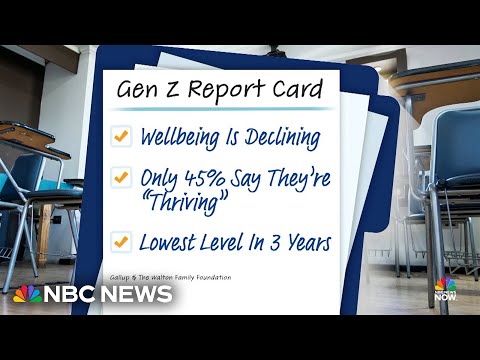
Mental health and wellbeing are critical concerns for young people, with many experiencing Anxiety, Depression, and other Mental Health Issues. As noted in Mental Health Awareness, there is a growing need for Mental Health Support and Resources to help young people manage their mental health. The Self-Care movement is also gaining momentum, with many young people prioritizing Self-Care and Wellbeing. Moreover, Trauma and Adverse Childhood Experiences are being recognized as critical factors in shaping young people's mental health, as discussed in Trauma-Informed Care.
🌐 Globalization and Cultural Exchange
Globalization and cultural exchange are transforming the way young people interact with the world, with many participating in Study Abroad programs and Cultural Exchange initiatives. As explored in Global Citizenship, young people are developing a more nuanced understanding of Global Issues and Cultural Diversity. The Digital Globalization of youth culture is also creating new opportunities for Cross-Cultural Connection and Collaboration. Furthermore, Youth Mobility and Migration are becoming increasingly important issues, with many young people seeking new opportunities and experiences in other countries.
📈 Economic Challenges and Opportunities
Economic challenges and opportunities are significant concerns for young people, with many facing Unemployment, Underemployment, and Economic Inequality. As noted in Economic Policy, there is a growing need for Youth Employment Initiatives and Entrepreneurship Support to help young people navigate the job market. The Gig Economy and Freelance Work are also becoming more prominent, offering young people new opportunities for Career Development and Financial Independence. Moreover, Financial Literacy and Money Management are critical skills for young people to develop, as discussed in Personal Finance.
👀 Conclusion and Future Directions
In conclusion, the youth and young adult demographic is a complex and dynamic group, with significant implications for Society and Economy. As we look to the future, it is essential to prioritize Youth Empowerment and Youth Participation in decision-making processes. The Sustainable Development Goals and Human Rights frameworks provide critical guidance for promoting the wellbeing and development of young people. By working together, we can create a brighter future for all young people, regardless of their background, identity, or circumstances.
Key Facts
- Year
- 2022
- Origin
- Global
- Category
- Sociology
- Type
- Demographic
Frequently Asked Questions
What are the most significant challenges facing young people today?
The most significant challenges facing young people today include Mental Health Issues, Unemployment, and Economic Inequality. Many young people are also struggling with Identity Formation and Socialization processes, as they navigate the complexities of Adolescence and Young Adulthood. Furthermore, Climate Change and Sustainability are becoming increasingly important concerns for young people, with many advocating for Environmental Justice and Social Justice.
How can we support the mental health and wellbeing of young people?
Supporting the mental health and wellbeing of young people requires a comprehensive approach, including Mental Health Awareness, Mental Health Support, and Resources. It is essential to prioritize Self-Care and Wellbeing, and to create safe and supportive environments for young people to thrive. Trauma-Informed Care and Youth-Friendly Services are also critical in addressing the unique needs of young people. Moreover, Parenting Styles and Family Dynamics can play a significant role in shaping young people's mental health, as discussed in Family Therapy.
What role can technology play in supporting the development of young people?
Technology can play a significant role in supporting the development of young people, including Online Education, Career Resources, and Social Connection. The Digital Globalization of youth culture is also creating new opportunities for Cross-Cultural Connection and Collaboration. However, it is essential to address the risks associated with technology use, including Digital Addiction, Cyberbullying, and Online Safety. By promoting Digital Literacy and Online Safety, we can help young people navigate the online world and maximize the benefits of technology.
How can we promote diversity and inclusion among young people?
Promoting diversity and inclusion among young people requires a comprehensive approach, including Diversity Awareness, Inclusion Training, and Resources. It is essential to create safe and supportive environments for young people from diverse backgrounds, including LGBTQ+ Community, Racial and Ethnic Minorities, and People with Disabilities. Allyship and Solidarity are also critical in promoting diversity and inclusion, as discussed in Social Justice. Moreover, Education and Awareness-Raising can play a significant role in promoting diversity and inclusion, as noted in Diversity Education.
What are the most effective ways to engage young people in decision-making processes?
Engaging young people in decision-making processes requires a comprehensive approach, including Youth Participation, Youth Empowerment, and Inclusion. It is essential to create safe and supportive environments for young people to share their voices and perspectives, including Youth-Led Initiatives and Youth Advisory Boards. Intergenerational Collaboration and Partnership are also critical in promoting the involvement of young people in decision-making processes, as discussed in Community Engagement. Moreover, Education and Awareness-Raising can play a significant role in promoting the importance of youth participation, as noted in Civic Education.
How can we support the economic development of young people?
Supporting the economic development of young people requires a comprehensive approach, including Youth Employment Initiatives, Entrepreneurship Support, and Financial Literacy. It is essential to create opportunities for young people to develop their skills and gain work experience, including Apprenticeships and Internships. Microfinance and Access to Capital can also play a significant role in supporting the economic development of young people, as discussed in Economic Empowerment. Moreover, Education and Training can help young people develop the skills and knowledge needed to succeed in the workforce, as noted in Vocational Training.
What are the most significant opportunities and challenges facing young people in the context of globalization?
The most significant opportunities facing young people in the context of globalization include Global Citizenship, Cultural Exchange, and International Collaboration. However, young people also face significant challenges, including Global Inequality, Climate Change, and Sustainability. It is essential to promote Global Awareness and Cultural Competence among young people, as discussed in Global Education. Moreover, Youth Mobility and Migration can provide opportunities for young people to develop their skills and gain new experiences, but also pose significant challenges, including Cultural Adjustment and Social Isolation.